
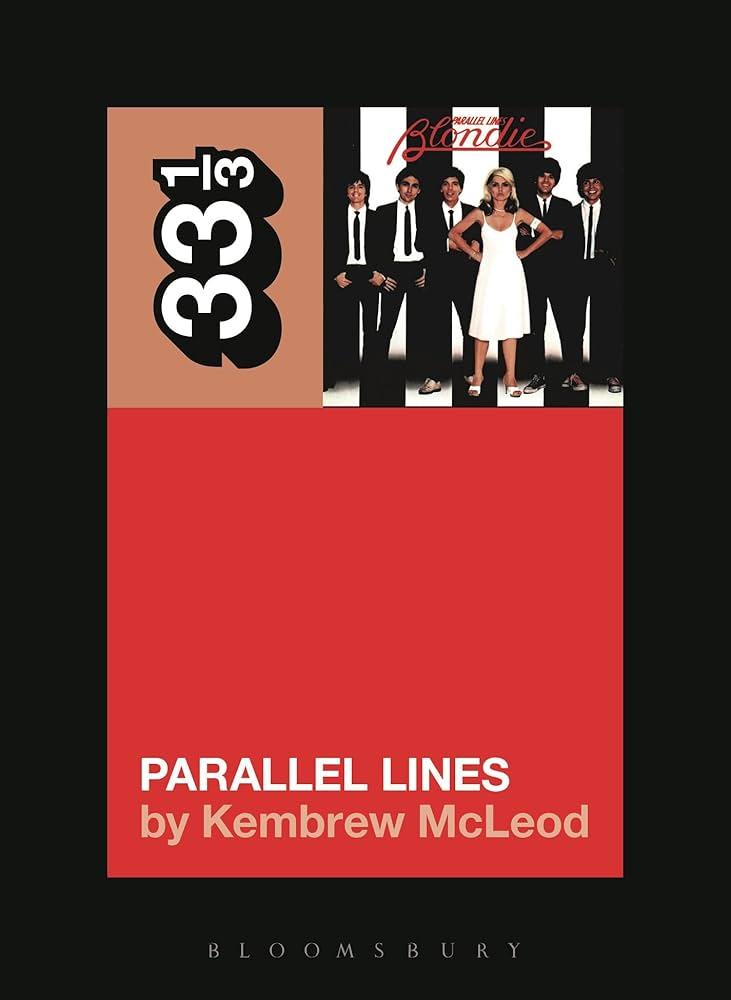
This series, 33 1/3, reviews the making of individual albums and is written by various authors for the series. In this edition, McLeod writes less about the album Parallel Lines specifically than about Blondie as a band and historical influencer. Although I loved this album in my youth (and still think it is awesome), I had no idea about its historical context and Blondie’s roots in not only punk, but in 60’s pop, disco, and the radical art scene happening in the 1970’s in downtown NYC. This book was in in-depth review of the subculture that bred Blondie and the other bands of their kind.
While I was a bit disappointed that the book did not go into detail about each song on the album, the way a prior book in this series did (see my review of the 33 1/3 on Court and Spark), it went into great detail about the music scene in downtown NYC in the late 60’s and early 70’s that lit the way for the making of this album. We are given a lesson on the forces that brought together various art forms (visual art, theater, music) as well as various cultural and societal forces (the queer, Black and Latino rights movements) that were undergoing radical changes at this time. Dance clubs and music venues were about the only place where these marginalized folks were able to gather, dance, and enjoy time out together (particularly the queer contingent), most often occurring at venues below 14th Street. This subculture was supported not only by some of the local businesses (restaurants, clubs, hotels) but also by some more successful artists such as, most famously, Andy Warhol. It was Warhol who managed the Velvet Underground at their onset, and who sponsored large parties, often under his own roof, bringing together folks from all backgrounds, gender and sexual identities, and genres. It was out of this melting pot of genres and identities that Blondie was birthed, and from which Parallel Lines eventually was created.
And while each song is not necessarily discussed in full (including my favorite on the album, which was not ever even mentioned), we are given a glimpse into the varied nature of the songs on this album. While Heart of Glass is considered to be more disco, other songs are more poppy, and others outright punk. The most radical and unusual on the album, Fade Away and Radiate, combines theatrical vocals with sparse, mystical instrumentation and an uncharacteristically slow beat.
If you have listened to and enjoyed this album, this book will give you quite a bit of insight into its historical origins and the personal and creative dynamics involved in the making of it.
(And if you’re wondering, my favorite on the album? Sunday Girl. )

