
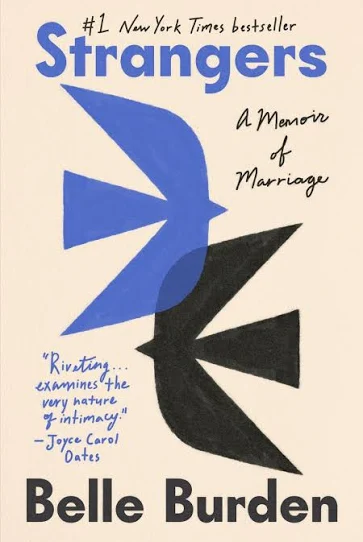
Belle and James have been married for over 20 years, having shared a whirlwind courtship, a romantic and loving relationship and the raising of three children into their preteen and teen years. They’ve navigated their respective careers, which enabled James to climb steadily up the ranks in finance and Belle to be home full time with her children. Belle, accustomed to a life of privilege, feels she is fortunate to have love and connection and minimal conflict in her marriage. Which is why she is utterly flabbergasted when out of the blue, she receives a call from a stranger, telling her that James is having an affair with his wife. More shocking to her is when James suddenly informs her that he is “out.” He is no longer interested in being married to her, nor does he want custody of their three children. How she navigates this shock, this rejection of her and her children, and the subsequent financial and emotional challenges are the substance of this poignant memoir.
While there is much controversy around this memoir, for reasons I believe are mostly founded in misogyny, I found this to be a tragic story with relatable and, sadly, familiar themes. Yes, Belle is still left with a comfortable lifestyle, to which 99% of us will never aspire (a fact which Belle acknowledges throughout her account). And yes, she does not have to battle for her children as do many divorcing women. But I believe her feelings of unexplained abandonment, of shame and failure, and worry for the future of her children and how they will fare in their future relationships, are as real and valid as they’d be for any other abandoned woman. Likewise, I believe that if this were a man abandoned by a woman, there would be universal support for the man and no excuses made for the woman (as there are, repeatedly, for James).
One might ask why she would write this story, a sadly common scenario, of a woman left by her husband. The author describes the controversy that ensues from her going so public with her story, as her neighbors, friends and family react with either extreme judgement or support. I believe she means it as a cautionary tale: that even someone with all her privilege can be taken advantage of, can be misused, and so flagrantly. It is a warning not to be callous with legal advice protecting one’s assets, even when one feels love for someone and a desire to share all. It is also a consoling of sorts to those who might blame themselves when it is their partner who is instigating the harm. And it is a message of solidarity; that one is not alone if one falls victim to this callousness.
I liked this book and feel it is an important read, no matter your marital circumstances.

