Why Faith Matters by David J. Wolpe

In this nonfiction work, Rabbi Wolpe shares his journey from non-believer in God to believer, explaining his view of this belief and countering the common challenges to faith. Using personal experiences, parables, and quotations from innumerable biblical, scientific, philosophical and historical sources, he asserts that religion can coexist with science, that it is NOT responsible for violence, and that it is the backbone of morality. Rabbi Wolpe provides evidence that faith in God can improve our lives, our health, and our societies.

For those of us who question, who seek to learn, this is an accessible, readable work that provides, if not definitive answers, certainly strong support for why belief in God and participation in a religious community is a healthy, logical, and meaningful way of life. When Rabbi Wolpe’s experience with confronting illness might have challenged his faith, for example, it actually appeared to have strengthened it, inspiring him to dig deeper, helping him cope. And it is not “blind faith” that he turns to, but rather questions he relishes in. Religion is nothing if not all about our questioning. But the tone of our questions matter: if we ask with a cynical bent, we close ourselves off to the benefits of faith. If we question with an open heart, we will understand that there are things we cannot possibly ever know, and hopefully we will have the humility to be able to live with that. We live with other concepts that are not tangible – thought, ideas, even love. So why not God?

If you are, yourself, questioning, this may help you parse things out. You will find here a thoughtful, well-researched, well-articulated argument for faith in God, no matter what religion you are.
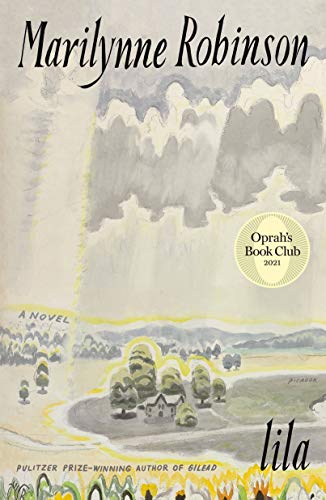
Lila by Marilynne Robinson


Lila (Oprah's Book Club): A Novel - Kindle edition by Robinson, Marilynne.  Literature & Fiction Kindle eBooks @ Amazon.com.

Lila is still trying to reconcile that she is here, now, in Gilead, married to the “old man,” John Ames, the respected preacher of this tiny village, especially given her meandering, even sordid past. If he knew the details, would he have so quickly and without judgement have been willing to baptize her? Would he still love her?  Is she willing to risk telling him her secrets? Lila continues to hold herself close, even as she gradually learns about love and trust from the very gentle and kind John Ames.

This is a beautiful prequel to Gilead, very gently revealing the traumatic story of Lila’s youth. We gain insight into her quiet and independent nature, reading about the tender but precarious relationship she had with her beloved Doll, the woman who snatched her away from her house of origin and who raised her and protected her as a mother lioness would protect her young.  We also are with Lila as she struggles to reconcile the ironies of organized religious precepts with the practical realities of the everyman’s day-to-day life.

Once again, Robinson’s writing is exquisite. She is able to quietly release the painful details of Lila’s life just as one might accidentally drop a pearl every now and then from a fine string. She creates images and characters that are imprinted in Lila’s mind, and so too, are imprinted in ours. We feel her loneliness and we are empathetic when Lila can only feel mean, because we are entirely with her in her lived experience. And the intermixing of philosophy and theology and storytelling is so subtle that we are contemplating it without even being aware.

If you’ve read Gilead, you must read Lila – it will only enhance your understanding of the story and of yourself.