
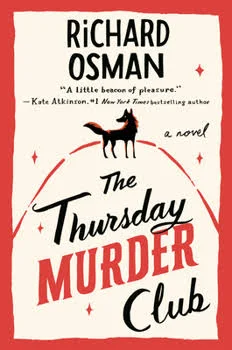
Elizabeth, Joyce, Ron and Ibrahim are friends and neighbors in the Cooper Chase Retirement Village. They have been meeting every Thursday when the Jigsaw room is available, not to work on puzzles, as one might suspect – rather, to solve murder mysteries. Elizabeth, their unofficial leader, has been gathering the group most recently to examine the evidence surrounding the recent murder of Tony Curran, a construction magnate who has demonstrated nefarious means of obtaining his financial goals. As the group work their sly magic, alongside (and sometimes even including) the police, they find that their mystery has broadened and become that much more complicated.
I actually chose to listen to this one from an audiobook, and so happy I did. There are so many great moments that are, I believe, made that much more comical with the dry, British-accented narration. This motley team of “investigators” are colorful and endearing, and while on in years, they are clever, aggressive, honorable, and are relentless in their pursuit of the truth. On the other hand, their experience has also taught them that life can be complicated, and they are able to show mercy, tenderness, and compassion when it is warranted.
This is absolutely a fun, suspenseful, and, occasionally hilarious read – and I highly recommend the audiobook.
(I have not seen the movie, but I have heard mixed reviews…)



 kindread spirits