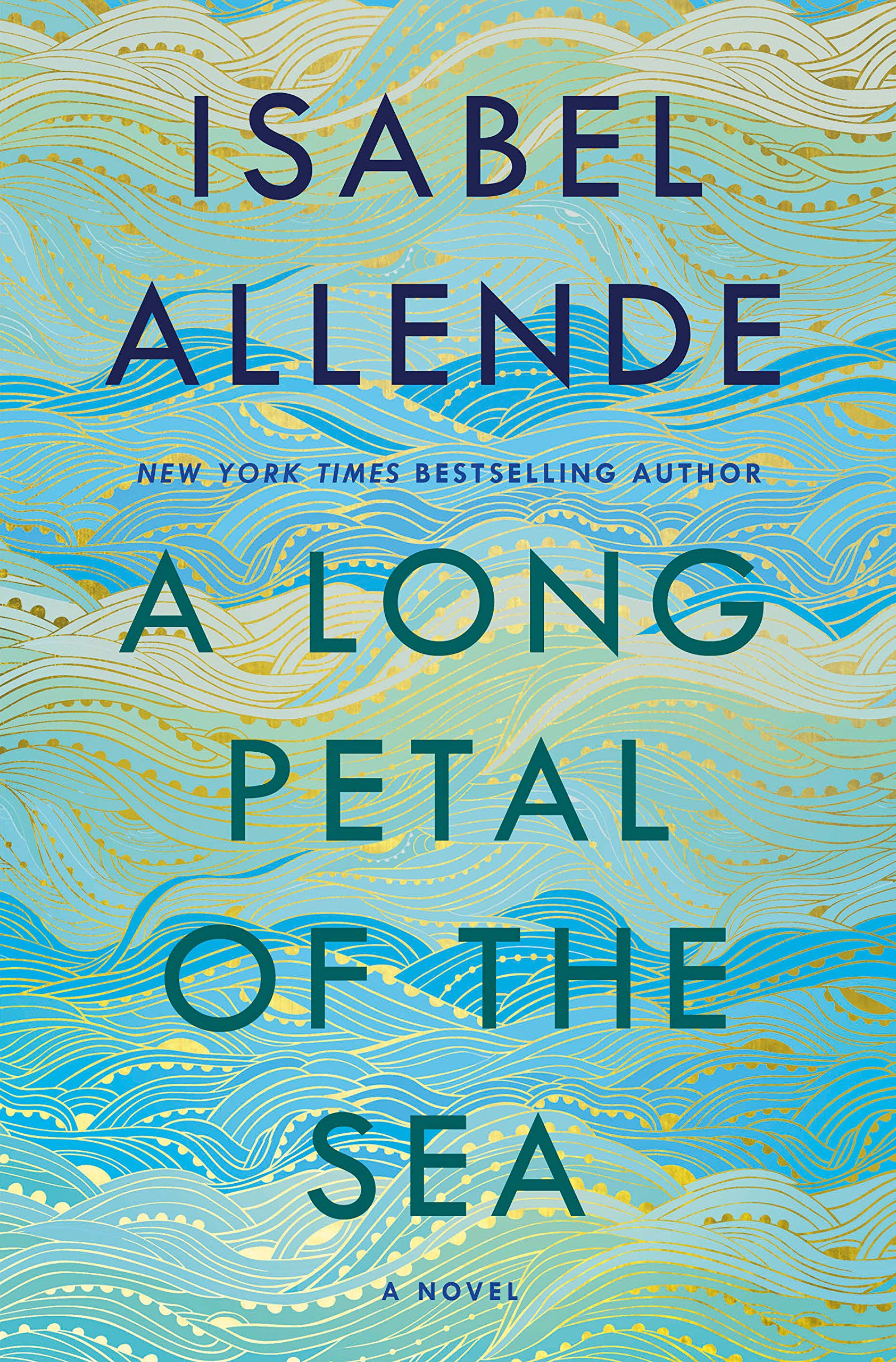
A Long Petal of the Sea by Isabel Allende

A Long Petal of the Sea: A Novel: Allende, Isabel, Caistor, Nick,  Hopkinson, Amanda: 9781984820150: Amazon.com: Books

Victor Dalmau has found himself rooted, with only a few years of medical training, in the trenches of the Spanish Civil War, repairing the wounds of the Republicans fighting the Fascists who are seeking to rule Spain.  While he is useless with a gun —  quite unlike his brother Guillem, the consummate warrior — he finds purpose in healing those who are, and he supports them in their calling.  Little does he know how deeply he would continue to feel the pain of injustice and persecution and how this early mission would direct the trajectory of his life and that of his family. 

This is a beautifully written novel, based on the true story of one survivor of the Spanish Civil War.  After this war,  thousands fled first to France, were placed in dreadful concentration camps, and two thousand fortunate souls were rescued by the poet Neruda on a ship to Chile called the Winnipeg.  In Chile, they were welcomed and given refuge and opportunity and allowed to flourish until there was political unrest there as well.  Our hero, Victor, embodies the strong, immigrant character: hardworking, valuing family above all else, and devoted to the preservation of humanity and justice.    

I am so thankful to have read this novel.  In my ignorance of history, I have never known much about this tragic era in our world’s history.   Learning it through the eyes of these gorgeous characters was, in my view, the best way to attempt to correct this, because the facts are interwoven with deep emotion, and this is how they are best etched into our memories.  And while this is not necessarily an absolute/comprehensive and final look, it is certainly a great start to learning about this dark moment in Spain, France and South America.  

And even while enlightening us about the historical period, the author does not neglect to interweave a complex plot, with suspense, subplots, and even romance that bear surprise twists.  She keeps us intrigued with each step of Victor’s harrowing journey.  

This is an important read for those who are are unaware of this period of history – and even for those who aren’t.  And while I don’t like to overload the “MUST READ’s,” this has to be placed there – sorry!


The Secrets We Keep by Kate Hewitt

The Secrets We Keep by Kate Hewitt

Tessa is praying that this summer in the Finger Lake region of New York will be a reboot for her family.  Back home in Brooklyn, her daughter, Katherine, so shy and disconnected, and her son, Ben, energetic and rambunctious, have had such difficulty making friends, just as Tessa herself has.  Maybe this is just what they need.  When they meet the family in the beautiful house next door, they are a bit taken aback.  Rebecca, and her 3 children appear at first to be the type of New York family they have been trying to escape.  On the other hand, Rebecca does seem different, offering something of herself, some vulnerability that Tessa has not seen from the Brooklynites she’s encountered.  Could this ben the friendship she’s looking for?  Could this be her opportunity for change?  

The writing  in this novel is wonderful in that it plays into the stereotypes of the Manhattan upper-crust socialite and the Brooklyn self-righteous idealist – and presents motherhood and its challenges as the great equalizer.  Both Tessa and Rebecca are battling their own demons — and demons do not see caste, do they?  Loneliness and trauma can exist in anyone, no matter how they may look on the outside.  Moreover, it can blind us to other people’s pain as well, even the pain of our own family.  

I would have liked to have known more about Charlotte, Rebecca’s daughter.  She is described only as “easy” and beautiful, and confident,  but there is clearly more going on with her, as we ultimately learn.  It might have been interesting to add a third voice,  to learn what is going on in her head.  She is obviously a much more complicated character, even at only 11 years old, but we are only allotted surface details.  

This is a gripping novel that will keep you reading late into the night and it is also guaranteed to wrench at your heart – but, I think, you will also be glad you’ve read it!


The Good Daughters by Joyce Maynard

The Good Daughters by Joyce Maynard


Nine months after a stormy night in a small town in New Hampshire, 2 baby girls were born to 2 different families within 2 hours of each other, earning them the moniker of the “birthday sisters.”   Ruth was brought home to her parents’ farm, home to many generations of Planks who were deeply rooted to their many acres of New Hampshire soil.  Dana was brought home to her family, the Dickersons, a bohemian, nomadic household.   And even though the Dickersons’ wanderings soon took them away from their small town, Ruth’s mother, in particular, made a strong effort to keep the families in touch.  Who could explain that magnet that kept pulling the families together, when they felt so very different?   

There was so much in this novel but yet I felt a bit let down.  The writing was solid, as expected in a novel by Joyce Maynard.  The characters are complicated and messy (in a good way!) but yet somewhat predictable and just this side of stereotypical.  I think it is the plot that was most disappointing, for as it builds to what is likely the crescendo, we also kind of know what is likely going on.  We’ve figured it out already and are just watching it play out.  And though there are some subtle turns of events that are revealed, we’ve sort of guessed at these as well, and we take these in as expected.  I did not have a huge “aha” moment, which I crave from a book like this.  

I don’t think I’m cynical–  I love a good plot twist!  I just didn’t find any here, where I felt it needed one. 

I”d be very curious to hear what others think!  Please write and let me know…! 


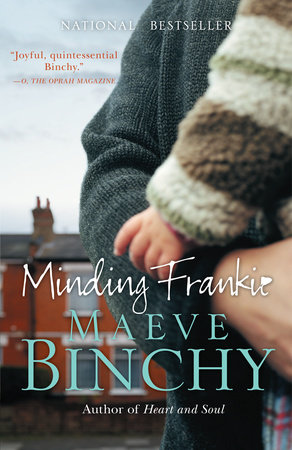
Minding Frankie by Maeve Binchy

Minding Frankie by Maeve Binchy: 9780307475480 | PenguinRandomHouse.com:  Books

Although Noel is a grown man, he doesn’t think it odd that he still lives with his parents.  He goes about his business and they go about theirs.  In fact, they are so immersed in their own quirky religious observances and their own private anxieties that they are oblivious to the fact that Noel has been spending every evening sitting alone at (and often being kicked out of) the neighborhood bar. Life may have continued along this path, had Emily, Noel’s older cousin from New York,  not come to visit, in order to reconnect with her Irish roots. Emily quickly immerses herself in their little community and in her tactful way, provides Noel with the support he needs to confront his alcoholism. But will he be able to continue to be strong when he is confronted with the ultimate stressor of them all?

Within the pages of this entertaining novel by Maeve Binchy, we are introduced to a colorful cast of characters that are intertwined with Noel and Emily. We are invited into the fabric of their stories almost as if we are yet another one of their idiosyncratic neighbors ourselves, and we delight in their successes and worry over their problems as if they are our own.  Because they are depicted with such extraordinary detail, they are tactile and 3-dimensional.   Binchy’s imagination is in full evidence here.

While there is a bit of blind faith in believing this story and how it all plays out, it is worth the bit of the stretch for the fun of it.  Follow along and you will be entertained, you will laugh and worry, and you will not “mind Frankie” at all!


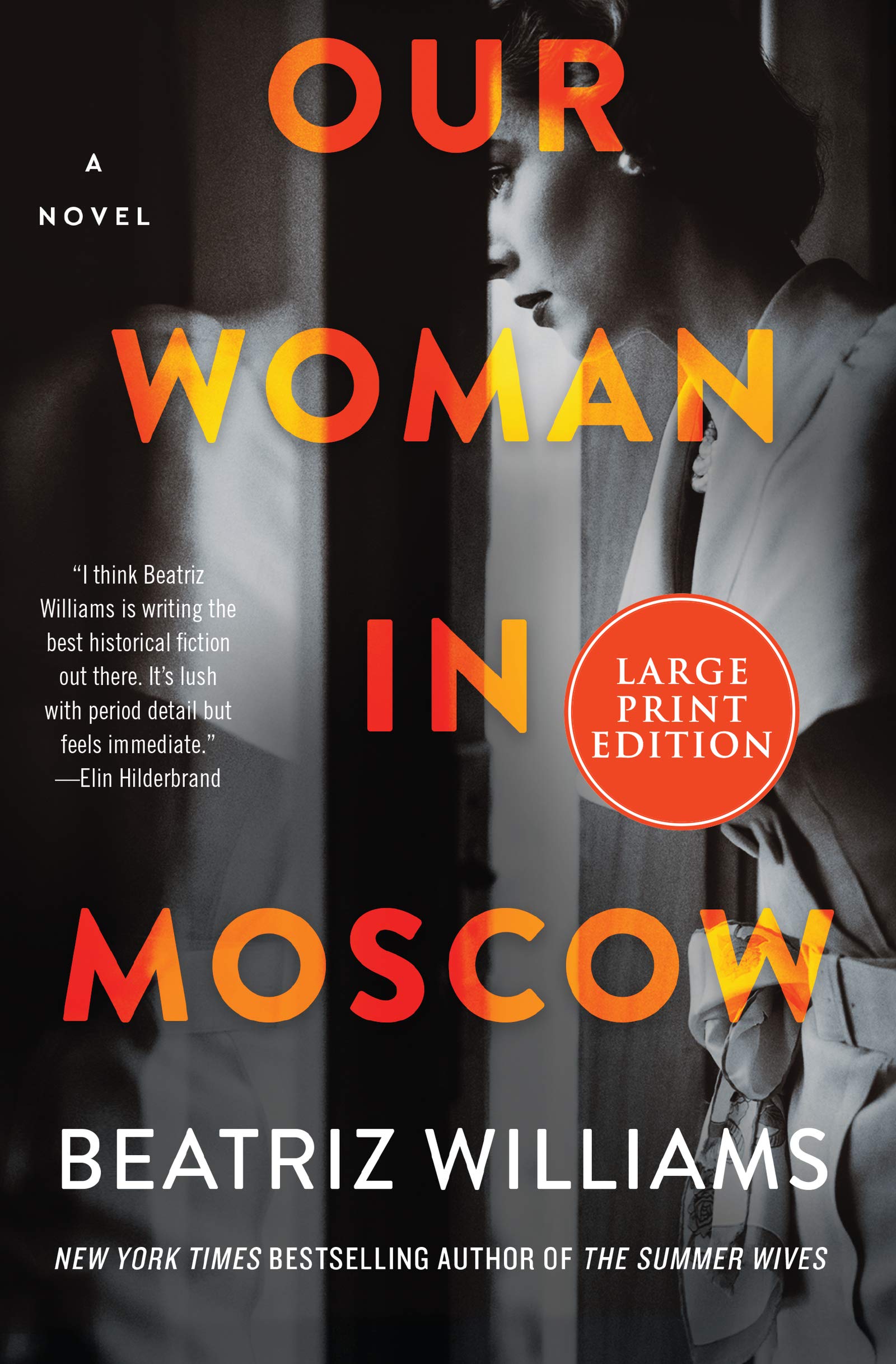
Our Woman in Moscow by Beatriz Williams

Amazon.com: Our Woman in Moscow: A Novel (9780063090231): Williams,  Beatriz: Books

Ruth has always been more like an older sister than a twin to Iris, guarding her and shielding her to the extent that she could, especially after losing both their parents. When in Rome at the start of WWII, Ruth is fully aware that Iris is falling for this seemingly noble Sasha Digby, but she still believes it safest for Iris to leave when the Americans are evacuated. When Iris defies Ruth, she incises a rift between the sisters that cuts deep and festers for years. So why is it Ruth whom Iris calls upon when she is suddenly lost in the abyss of Communist post-WWII Russia? Will Ruth be able to save her sister this time?

Beatriz Williams never, ever disappoints. Using her chatty, familiar, and utterly engaging storytelling style she has created a truly suspenseful historical fiction masterpiece in Our Woman of Moscow. The secrecy and counterintelligence of the post-WWII era is a centerpiece of the novel and sadly, feels eerily relevant today, as we are still at war, albeit virtually, with suppressive, paranoid Communist regimes.

What I love so much about Williams’ books is that her female characters are strong women of substance and dominate the plots. And while there are a few good men, so to speak, there are many who are weak and vulnerable. Most importantly, here in particular, the men– and even some women– are duped primarily because of their preconceived notions about women. This is the sweetest part.

Another MUST READ by Beatriz Williams!

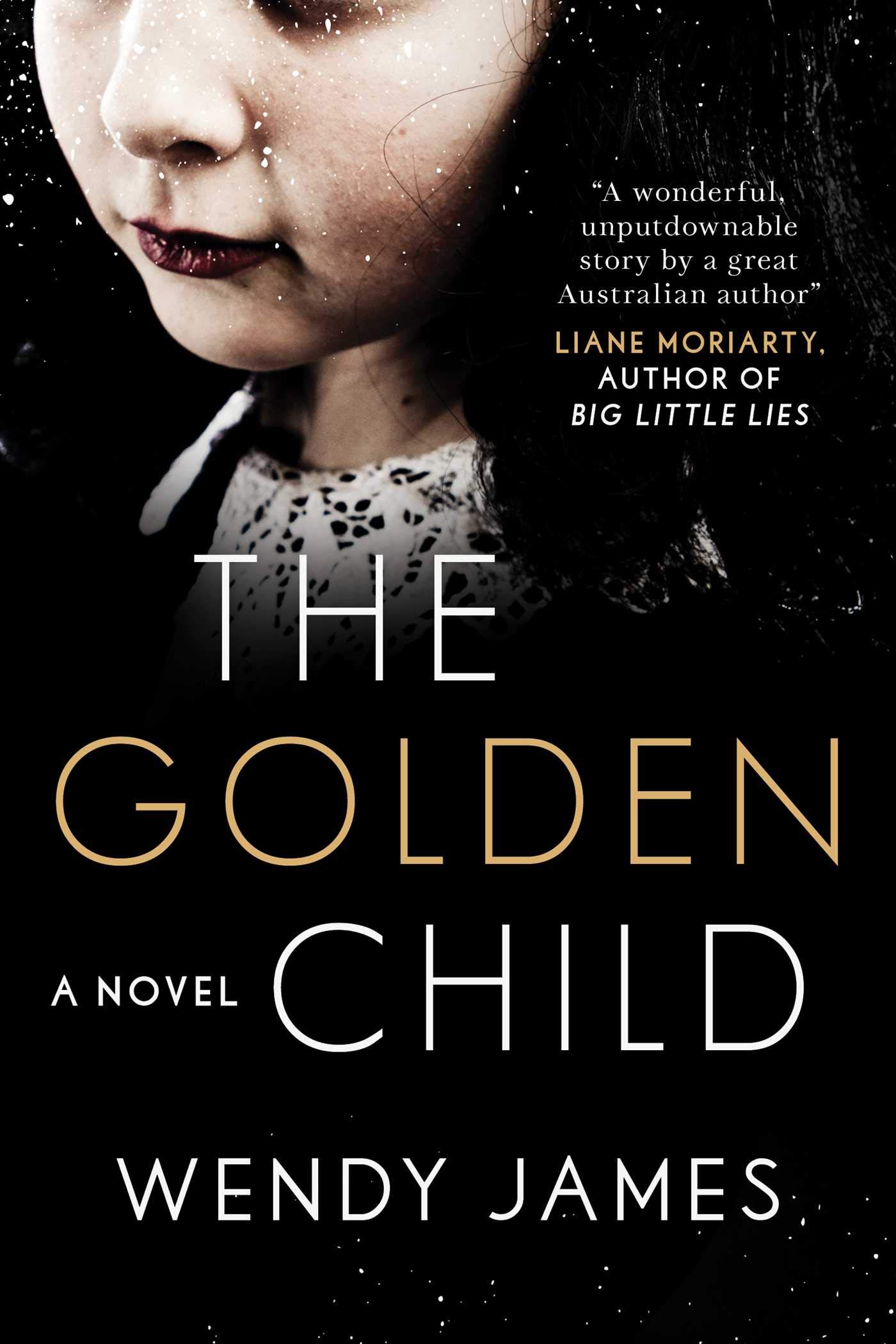
The Golden Child by Wendy James

The Golden Child: A Novel: James, Wendy: 9781510737914: Amazon.com: Books

Charlotte is what many would call a “queen bee.” She is always at the center of activity– pretty, smart, and sporty, with many friends who admire her — while her older, yet more sedate sister, Lucy, seems happy just to hang on the sidelines. Their mother, Beth, has been preoccupied with their upcoming return from New Jersey to Australia, so while there have been some signals of trouble, it hasn’t felt like much more than normal “girl stuff” to her. Could it be that she’s missed something enormous, even in her own daughter?

This is a disturbing and yet utterly engaging novel that anyone who’s ever known or ever been an adolescent girl can relate to. (And if you’ve ever been a mom of one, it tugs at your heart strings like few stories do.) It highlights the cruelty of the adolescent girl dynamic, the targeting of others for random imperfections, quirks, or non-conformities and the ostracizing of others for the least infraction of an ever-changing, “accepted” norm. In the age of social media, it is magnified a million-fold and it is irreversible. And horrifying.

The writing here is crisp and engaging and the characters, while somewhat stereotypical, are still extremely plausible. The author also utilizes the technique of incorporating blog posts from the characters to interject their innermost thoughts, which adds both a deeper dimension and a clever diversion to the plot. It’s an intriguing read that keeps you turning the pages – with a satisfying twist of events right up until the very end.

This is not a “MUST READ” but it’s quick, slightly disturbing, and yet intriguing one, if you have the time.

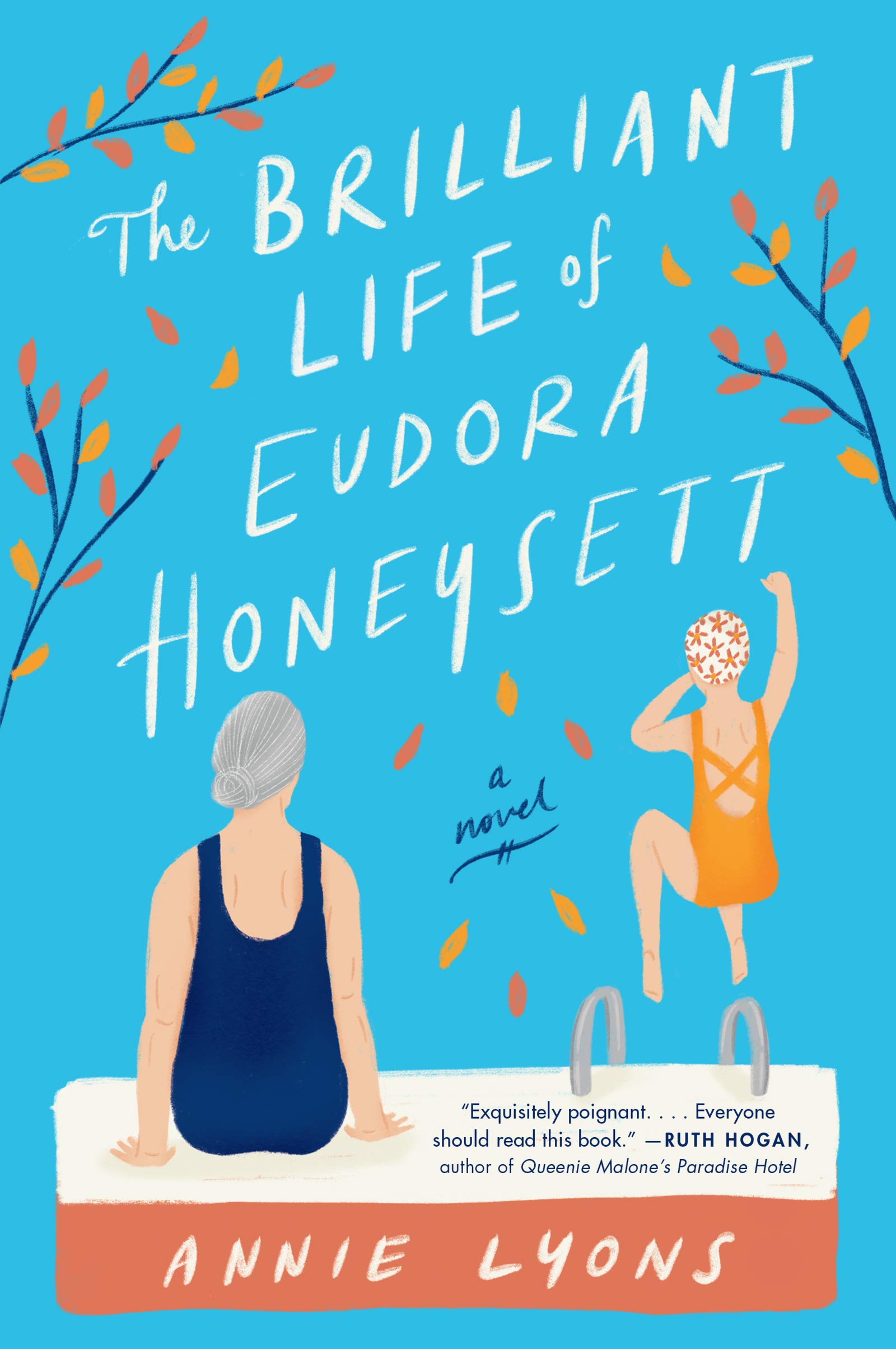
The Brilliant Life of Eudora Honeysett by Annie Lyons

The Brilliant Life of Eudora Honeysett: A Novel: Lyons, Annie:  9780063026063: Amazon.com: Books

Eudora Honeysett is 85 years old and she is done. She is still of sound mind and, while she may have slowed down a bit, she still swims her daily laps at the community pool and she can still care for herself, by herself, thank you very much. She has seen how death can be an ugly, drawn-out affair, having witnessed her own mother’s experience- and that is not for her. So Eudora makes arrangements for her own plan of action. And she will not let anything deter her, not even her brand new and surprising friends, such as they are – the boisterous young neighbor called Rose, and the awkwardly emotional gentleman, Stanley.

This delightful novel is very much A Man Called Ove meets Eleanor Oliphant is Completely Fine. Eudora is a woman who’s had it tough, who has sacrificed much for others over the years, and at her older age of 85 is finally, if awkwardly, speaking up for herself. Much of her straightforwardness is cringeworthy, but, at the same time, it is so refreshingly stunning and true. And while one might expect her to repel others with her manner of speaking, she actually manages to endear them to her. (Could it be that our world is seeking this more genuine form of communication? That we are all just looking for honesty and kindness, rather than flattery or banality?)

The author has created utterly beautiful characters. Rose, Eudora’s 10-year old neighbor and adopted “BFF,” illuminates the pages of this novel. Her outrageously clashing fashion statements are clearly imprinted in the reader’s mind, and we cannot help laughing along as Rose enriches Eudora’s wardrobe (as well as her life) with color. As they are both unique in their own ways, they can appreciate each other for this – and accept each other as they are. And the relationship between them is tender and lovely and loving.

And, again, we meet another death doula! (I had never heard of this career path before the Picoult novel, and now here is the second novel with a death doula.) Once again, there is frank discussion about death and that one can choose to die with dignity and love and honesty instead of with machines and tubes and disconnection. So often, we are reluctant to face our mortality and so we do not plan for it. We deny the possibility, so we avoid discussing what we want. We do not complete the forms, we do not discuss our wishes. And then when it comes down to it, we end up where we may not want to be. The death doula can be the escort through this process of confronting those difficult conversations, those difficult moments, and to ease that time, for whenever it might arrive. For it will, of course, at some point, for us all.

This is a wonderful novel – on so many levels. Give yourself this gift – you will not be sorry!

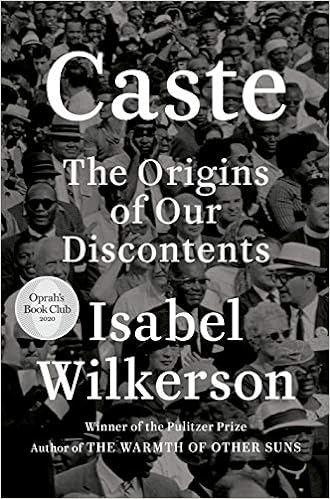
Caste by Isabel Wilkerson

Caste (Oprah's Book Club): The Origins of Our Discontents: Wilkerson,  Isabel: 9780593230251: Amazon.com: Books

Written by one of the most impactful writers of our time, this non-fiction masterpiece is a stark comparison of the caste system that we live with here in the U.S. and that which has existed in India for hundreds of years and that which enabled the rise of the Third Reich in Germany during World War II. In order to elevate the white, European (Aryan) male in both the U.S. and Germany, it was necessary to establish a scapegoat, or a group of humans deemed less-than, in order to maintain an identity of being higher than. Likewise, in India, it was necessary to invoke religious inspiration to insist that men are created with certain intrinsic value based on the class they are born into, rather than natural, proven talents/abilities. Those at the top convinced themselves (and are continuing to convince themselves) that those at the bottom were content with their lot – or at least, that this was a god-given right which they enshrined. The myriad historical details and the personal accounts only serve to enrich Wilkerson’s thesis and drive her very painful and compelling point home.

While this book is not an easy one to read, it is one of the most important books that help explain this moment we are living in. It is clear that the presidency of Donald Trump was not a cause but a result of a growing fear of white men of losing their power over all others (including women of all colors, by the way) in this country. The continued efforts of Republicans to gerrymander and inflict restrictive voting laws are clear evidence of their flailing attempts to grasp onto those strangleholds they view as their birthright. And, as Wilkerson so rightly points out, these restrictive and terrifying laws and movements, and the rising of the Alt Right, Neo-Nazi, and white supremacy groups, hurt everyone – including the perpetrators – physically and mentally. We all lose.

We owe Wilkerson a debt of gratitude for her years-long, painstaking research and her gorgeous writing that encapsulates it.

Again, everyone MUST READ this book – if you want to understand not only caste but the fundamental history of our country and what is happening in our country today.

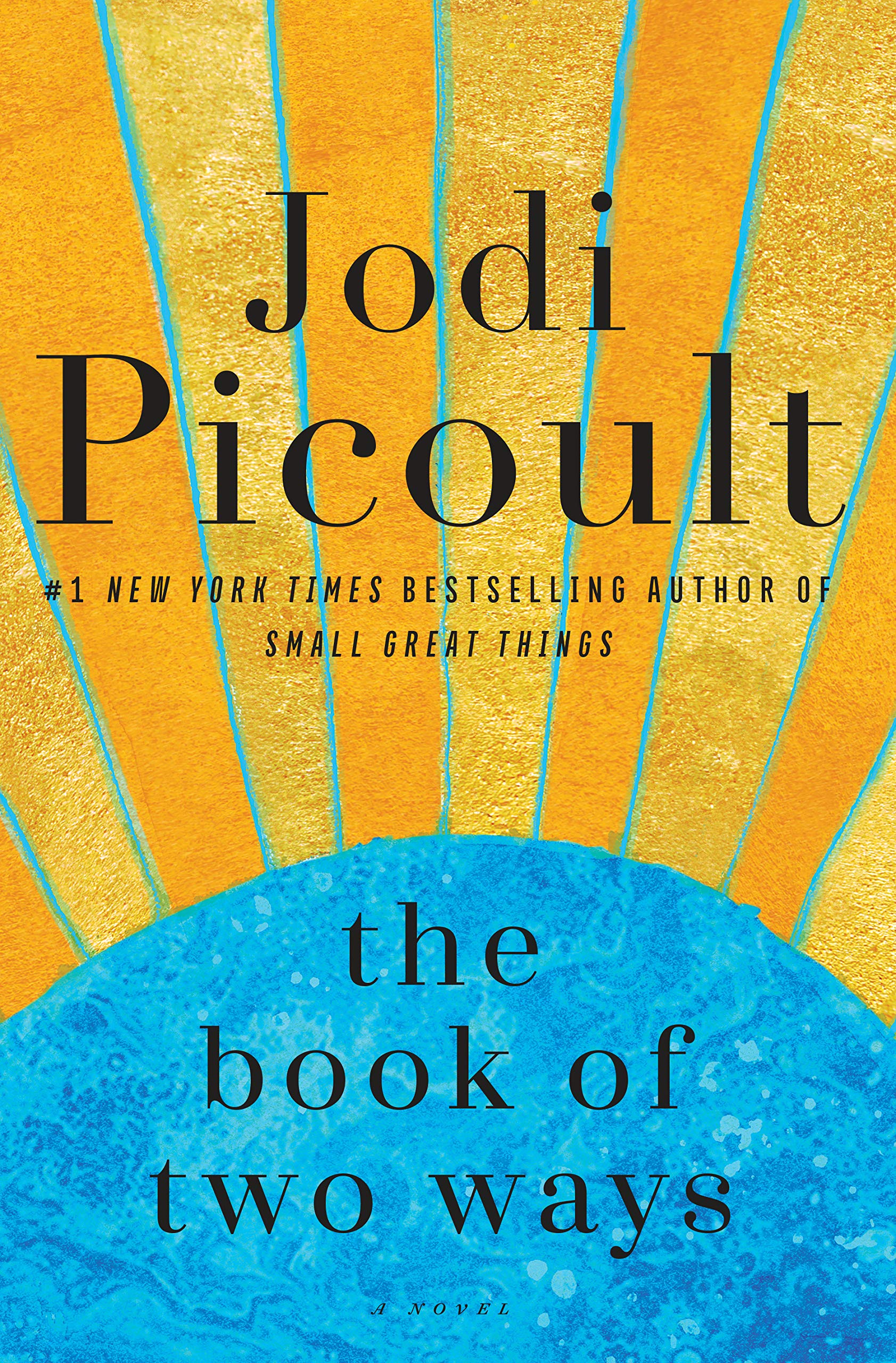
The Book of Two Ways by Jodi Picoult

The Book of Two Ways: A Novel: Picoult, Jodi: 9781984818355: Amazon.com:  Books

Dawn, is a death doula, one who gently and passionately escorts those who are dying through this process. She is also married and the mother of Meret. Right now, though, she is on a plane, and all of that other stuff means nothing because this plane is going down and the only one she is thinking about is an old flame, Wyatt. What does this signify? Where does her heart really belong?

As usual, Picoult has managed to entangle her readers (or at least this one) in another intricately woven fabric of rich characters who walk off of the page and into your heart. As Dawn wrestles between her past, red passion for Wyatt and her current, serene comfort with her husband Brian, we feel this wrenching tension as if it is our own. When Meret struggles, we struggle. When her dying patient declines, we decline. The effect of this is that Picoult is able to render the reader sympathetic to every perspective, and as Dawn digs deeper and deeper into her quandary, we are more and more wedded to every possible outcome.

Likewise, as in her other books, Picoult has done her due diligence in her research – and here, it is on the topic of Ancient Egypt. Here we learn about this civilization’s many rites and rituals celebrating the dead and dying. We learn about hieroglyphic translations and the symbolism of the art inside their tombs. We learn that this art tells the story of the life of the individual who is buried there, and, moreover, how Egyptologists learn about the culture and society from these findings.

We also learn of a beautiful way of leaving this world. I’d never heard of a death doula, but it is a lovely idea and sounds like a wonderful luxury. To have someone to attend to the “business” of dying – not the medical issues, mind you — but the messiness of it. Taking care of your last wishes, ensuring that you get to see the people you want to see, ensuring your matters are wrapped up, having someone to hold your hand as you take your last breath. How precious is that.

This is yet another incredible work by Jodi Picoult. As readers of this blog know, I am a huge fan. Some argue that she has a formula in her work – and I see that, but for me it works. She develops intricate plots that challenge current complex issues, she creates beautiful, human, complex characters, and she writes them witty dialogue that always keeps me surprised. What more can you ask for in a novel?

SPOILER ALERT: IF YOU HAVEN’T READ THE BOOK, DON’T CONTINUE READING!

I am curious to know what others think of the ending…. I was surprised and initially very disappointed at this one, actually. My first reaction was that it was a cop-out. However, the more I thought about it, the more I believe it was fully intentional and not just avoidance. Going along with the theme of “two ways” and Brian’s physics theory, maybe she imagines there is a way for her to be choosing both? Meret certainly got 2 dads here, as it happened, right? Or maybe it is just symbolic of how so many times, we want to go in 2 directions at the same time and decisions in life are hard. But these decisions often impact the ultimate direction of our lives in so many ways, setting us on a path that we cannot possibly foresee.

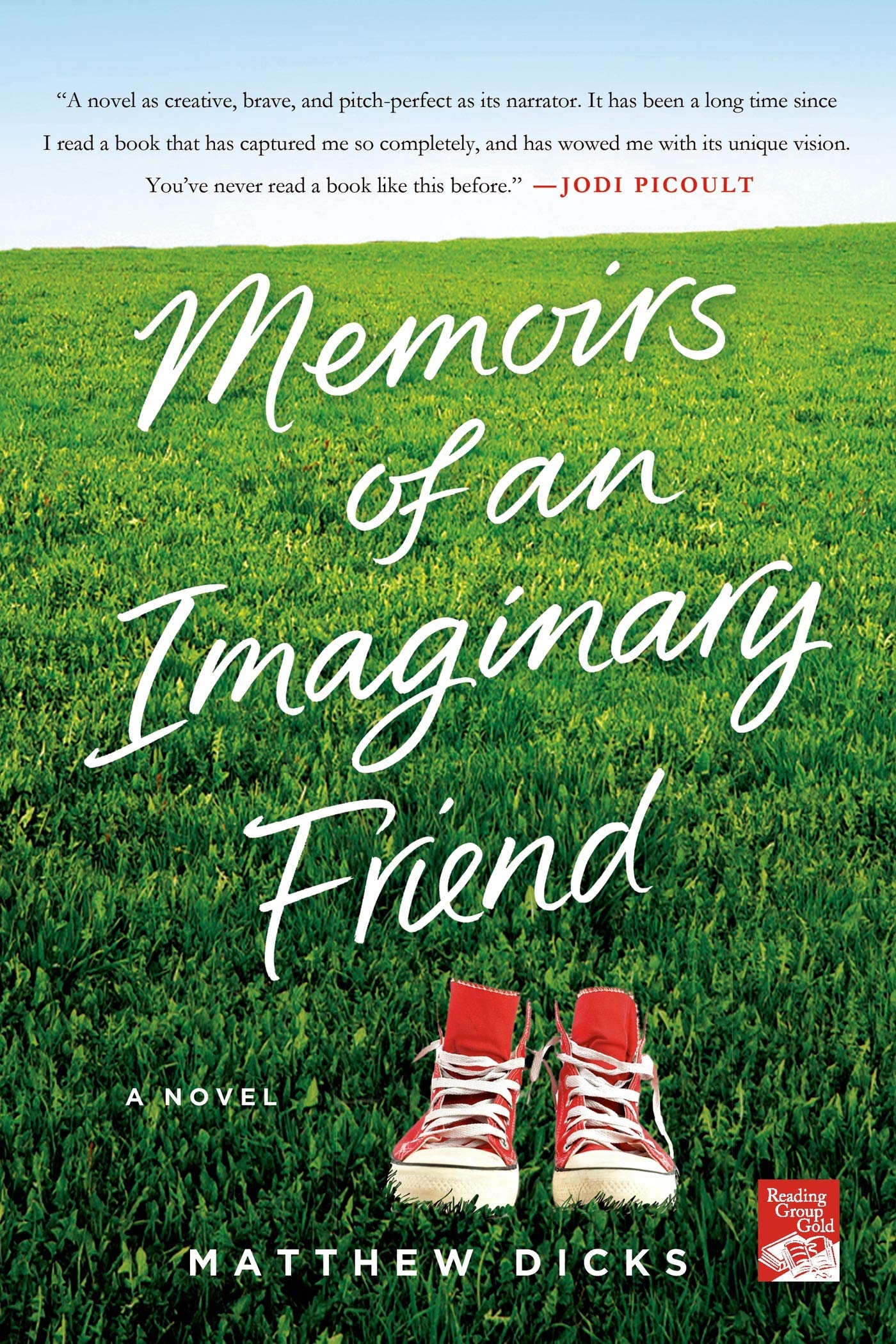
Memoirs of an Imaginary Friend by Matthew Dicks

Memoirs of an Imaginary Friend: A Novel: Dicks, Matthew: 9781250031853:  Amazon.com: Books

Budo is Max’s imaginary friend, and therefore is visible only to Max and to other imaginary friends. He is able to slide through doorways and windows, appear almost real, and run quite fast, but only because Max has imagined him so. He has been alive longer than many of his fellow imaginary friends and he is quite proud of this fact – although it gives him some anxiety because he is aware that his time in existence may be limited. In fact, he’s watched others disappear. On the other hand, he knows that Max needs him more than many other kids need their imaginary friends, because Max, as Budo describes him, lives more on the inside than on the outside. As Budo narrates Max’s story, we see how truly dependent on Budo Max is – and yet how eventually, Budo empowers Max to save himself.

What begins with the feel of a children’s book actually builds into quite an insightful and even suspenseful novel. Telling the story from the perspective of the imaginary friend gives the story an air of innocence, lulling the reader into a false sense that all will remain benign. This provides that much more of a jolt when Max, who is clearly caught unaware, does get entrapped in a very precarious situation.

This is also a subtle and powerful way to communicate the experience of a child who likely carries the diagnosis of autistic spectrum disorder, formerly known as Asperger’s. Budo speaks for Max as he describes what he likes and doesn’t like, how he has an easier time with routine, how he cannot tolerate too much stimuli, and that he prefers not to be touched. He describes that he prefers to be alone or with Budo, and that he’s ok with being alone, even if his parents are worried by this. Budo also describes the frequent discomfort of others around Max. He highlights the few, and one teacher in particular, who really make an effort to get to know who Max is. He loves this teacher because she focuses on Max’s strengths rather than his shortcomings, how he is special, rather than how he is different.

This is a beautiful story, with very unique narration, and with a surprising crescendo. Something quite different, for sure!